Guides
What the numbers on the box mean, which of them matter to you, and how to get a full life out of the shoes once you own them. Every figure here is either physics, a published standard, or a number from the same 78-shoe catalogue the finder ranks — so you can click through and check it.
Choosing shoes
Work out what you need before you spend anything.

How to choose running shoes: the decision in orderSurface first, then fit, then the numbers on the box, then money. The running shoe decision in the order that actually removes options.
How much to spend on running shoesWhat the €100 to €310 spread actually buys, band by band: where the curve flattens, what carbon is really charging for, and why two pairs beat one.
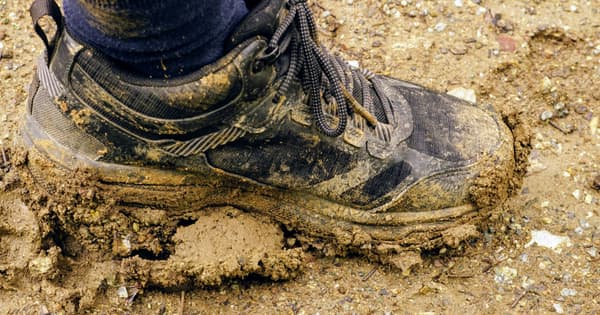
Road vs trail running shoes: which do you actually need?What a trail outsole really does, when a road shoe is fine on a path and when it is not, and why most mixed-surface runners should buy road first.
Getting the fit right: length, width, heel and the evening ruleLength at the longest toe, width at the ball, a heel that does not move — and why your size changes between brands and across the day.
Stack height and drop, explained without the mythologyStack is measured from the ground up. Drop is heel stack minus forefoot stack. Most boxes print only the second, and the two get confused constantly.
Stability or neutral? What pronation is, and what the evidence showsPronation is normal movement, not a fault. What the trials actually found, what guide rails really do, and why stability shoes here cost less.
Carbon plates and super-shoes: what they do, and what they costA carbon plate buys about 64 g and a great deal of energy return. It costs durability, stability and roughly €100. Here is the whole trade, with numbers.
Running in them
Fit, rotation, mileage and knowing when a pair is done.

Building a shoe rotation: why two pairs beat oneTwo or three pairs, chosen by session rather than by preference. What each pair is for, why foam needs a day off, and when one pair is genuinely enough.
Looking after your running shoes: cleaning, drying and storingNever machine wash, never tumble dry. How to clean road and trail shoes, dry them properly, and the honest limit of what care can and cannot save.
When to replace running shoes: how to check, not what to countThe 500-800 km rule is a range, not a number. What actually wears out first, how to read the wear, and the honest signs a pair is finished.
Running shoes and injuries: what the evidence actually supportsShoes have not been shown to prevent running injuries. What the trials found, why comfort has more behind it than category, and when to see someone.